


Επιστροφή


 Foot and Ankle
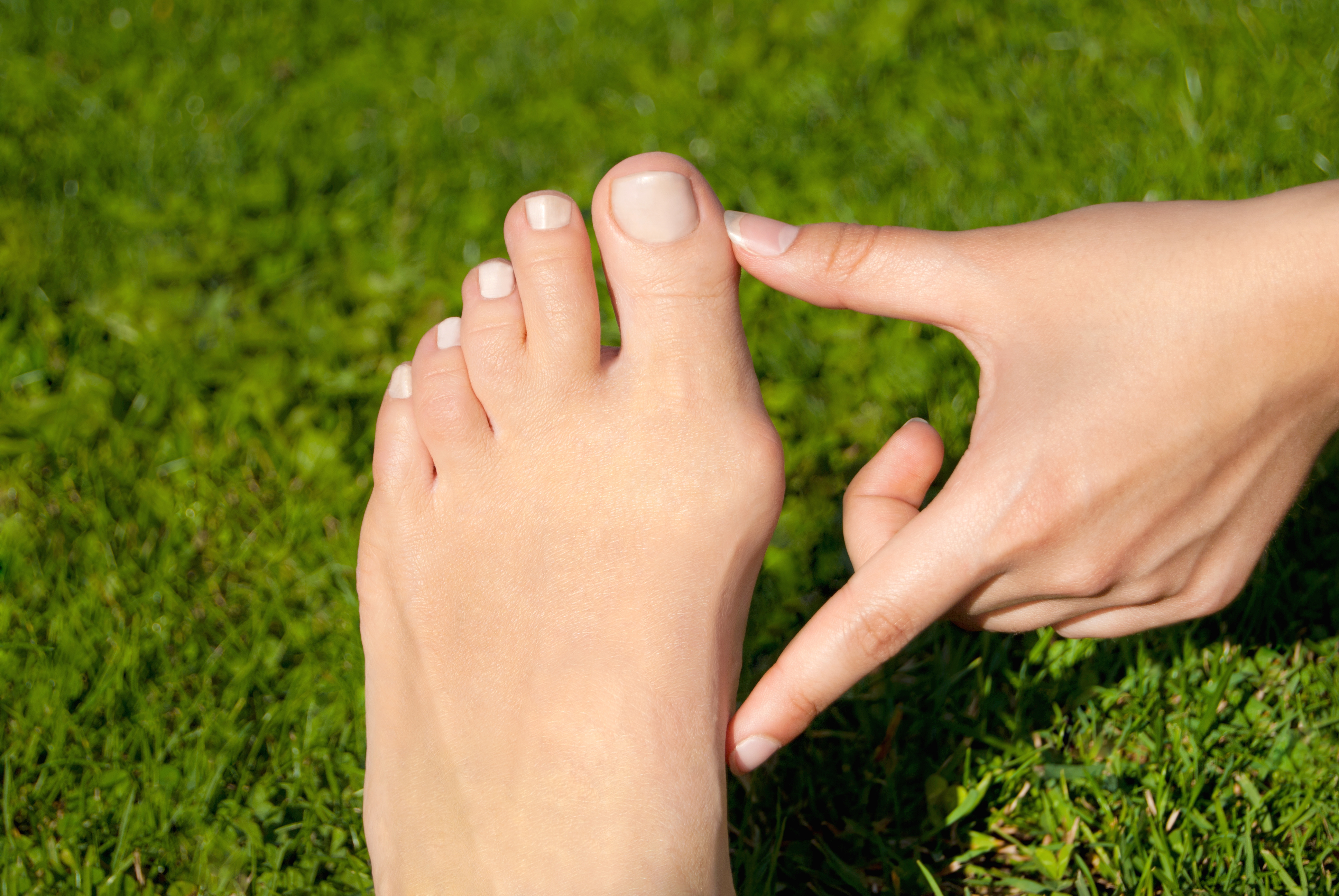
The big toe, often referred to as the “shank”, is the most common deformation of the foot in its front part. It usually affects middle-aged women. However, finger blight can occur in both men and young adolescents.
Everything at OSTEON


The deformity usually develops as a result of muscle imbalance and bone changes in the joints of the big toe, and especially in the joint between the first metatarsal and the basal phalanx (first metatarsiophalangeal joint). Other causes include joint instability with hyperactivity and injuries to the area. The imbalance of forces results in the joint being deformed into an angle, with the top of the angle pointing inwards (blasphemy). This angulation is also responsible for the “bump” sensation reported by patients who are examined with a swollen finger. Most of the shank that protrudes is their own bone that has gone out of place and not a large osteophyte or exostosis that has been created. As the angle increases, the pocket on the inner side of the joint stretches, while on the outer side (towards the little toe) it shortens. In combination with the disorder in the axis of action of the muscles and tendons, this intensifies the deformation of the big toe. Gradually, degenerative lesions in the joints can develop, leading to arthritis and pain.
Patients with a bun begin to notice a swelling on the inside of the base of the big toe that tends to grow and may hurt. It can also cause problems with footwear, as women with a bunch can’t find shoes that fit them and don’t rub against the bulge. Also, patients may have pain under the metatarsal or little fingers due to the disturbed anatomy.
Treatment of big toe injury can be conservative or surgical. Conservative measures include modifying activities and footwear so that there is no pain from the bunch. The shoes should be wide in front, to accommodate swelling from the toe. The bruises created on the bunch, little toes and foot can be treated with regular cleaning by a certified podiatrist – podiatric physician. In some cases, painkillers and analgesic/anti-inflammatory ointments may provide symptomatic relief. Silicone prostheses help to fit the shoes and prevent calluses. Night splints on the other hand, although heavily advertised, have not been shown to affect the worsening of the deformity or heal the shank.
Surgery is offered to patients who cannot treat their symptoms with conservative means. Reasons for surgery are, the pain that persists and the inability to walk, due to the deformity. Patients should not undergo surgery for aesthetic reasons if they do not have symptoms, as every operation has risks. In addition to the general risks of surgery that you will discuss with your surgeon, blind finger surgeries also have a 10% risk of recurrence, i.e. recurrence of the deformity. The type of surgery performed can be individual for each patient and depends on many factors. These include the severity of the condition (as clinically assessed by X-rays of the foot, preferably at load), the location of the pain, the remaining deformities of the toes and the rest of the patient’s medical history. Surgery typically involves a combination of operations on the bones and soft tissues to correct the deformity. You will discuss this in detail, with your surgeon.
Postoperative rehabilitation depends on the type of surgery but generally includes an overnight stay and discharge the next day with special footwear that allows the operated foot to be loaded. Driving is not allowed for six weeks after surgery. Your surgeon will continue postoperative follow-up for several months after surgery.
If you are experiencing any pain or discomfort, please do not hesitate to contact us.