


Επιστροφή


 Hip - Knee
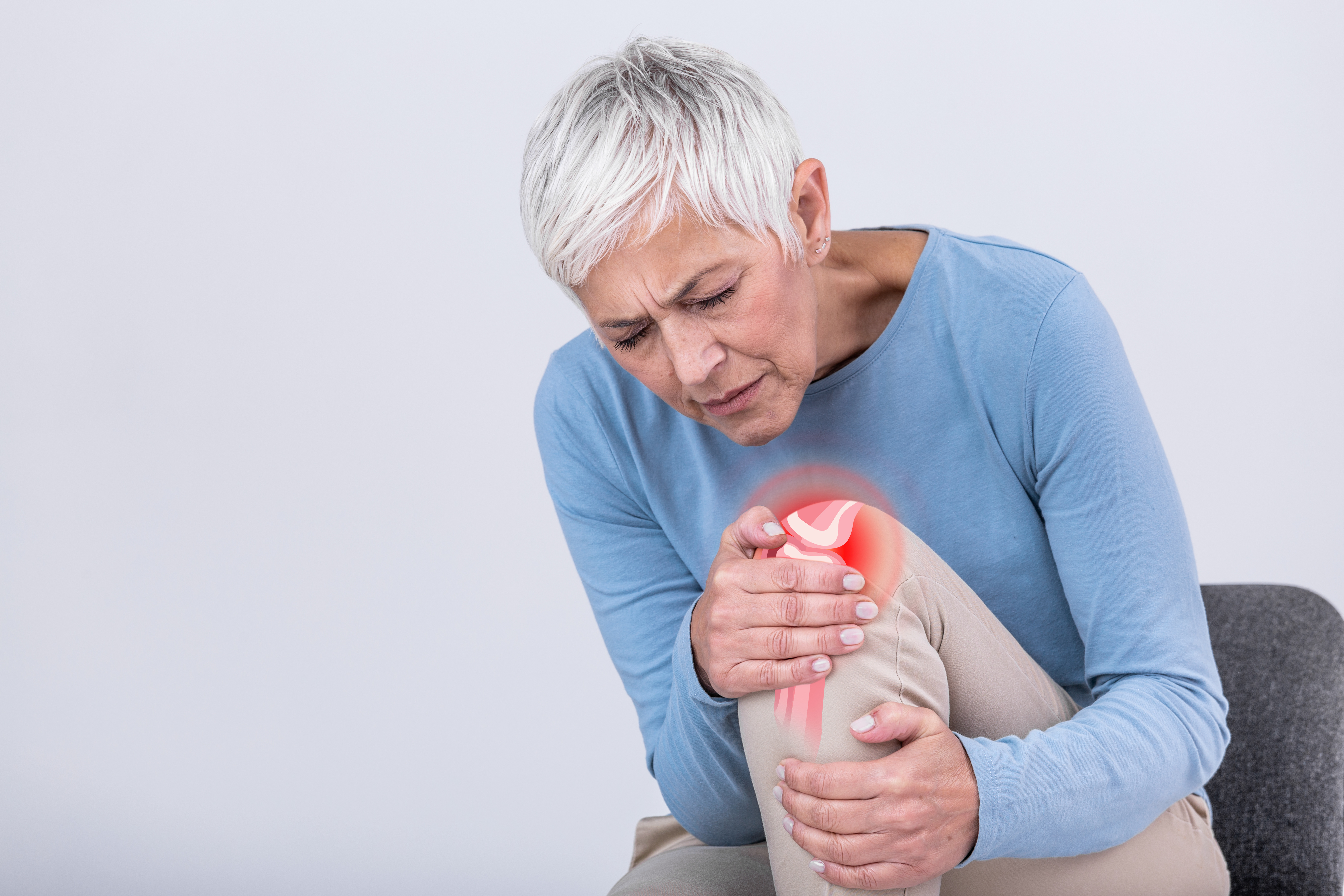
When the (vitreous) cartilage of the knee develops degenerative phenomena over time, the bones rub against each other, causing osteoarthritis. This friction causes pain, hardens and eventually swells your knees. It is a condition that affects a large part of the population with the most common occurrence in female patients after the age of 40. Heredity or injuries can also be a cause of degenerative cartilage phenomena and develop into knee osteoarthritis.
Everything at OSTEON


A damaged articular cartilage of the knee is a cause of osteoarthritis. Given that it covers the surfaces at the ends of the bones, allowing you to bend and move them, its absence (total or partial) increases the pressure on these surfaces.
The causes that exacerbate or accelerate the occurrence of such phenomena are:
Some of the most common symptoms beyond progressive worsening are:
Some additional symptoms that an orthopedist can distinguish include joint redness, reduced range of motion, joint laxity, and gait.
In order for the diagnosis to be complete, you may be asked for an imaging examination with a knee X-ray and a CT or MRI scan.
X-rays will give us an image of both, possible osteophyte formation and any deformities and asymmetric loading, while CT and MRI image more accurately and in full extent the condition of the bones, articular surfaces and the tissues around them.
In its initial stages (I and II degree) it can be treated conservatively.
Initially through gradual weight loss, with the possible administration of painkillers and mild anti-inflammatories, nutritional supplements and a combination of physiotherapy.
In many cases, intra-articular injections are preferred:
In both of the above-mentioned treatments, it should be emphasized that a solution is offered to the symptom and not to the cause of its creation.
As far as physiotherapy is concerned, these should help strengthen the muscle groups around the knee – in order to achieve less load and better support for it.
In the event that the wear and tear is significant, the arthritis is in the final stage (III) and the patient’s quality of life is decreasing, the only appropriate solution is surgery. This may include knee axis correction operations (osteotomy), surgery to replace the worn part (single-compartment arthroplasty) or replacement of all worn parts of the knee (total arthroplasty).
The above procedures can be performed with minimally invasive techniques and fast track protocol which can guarantee:
If you are experiencing any pain or discomfort, please do not hesitate to contact us.